 admin
admin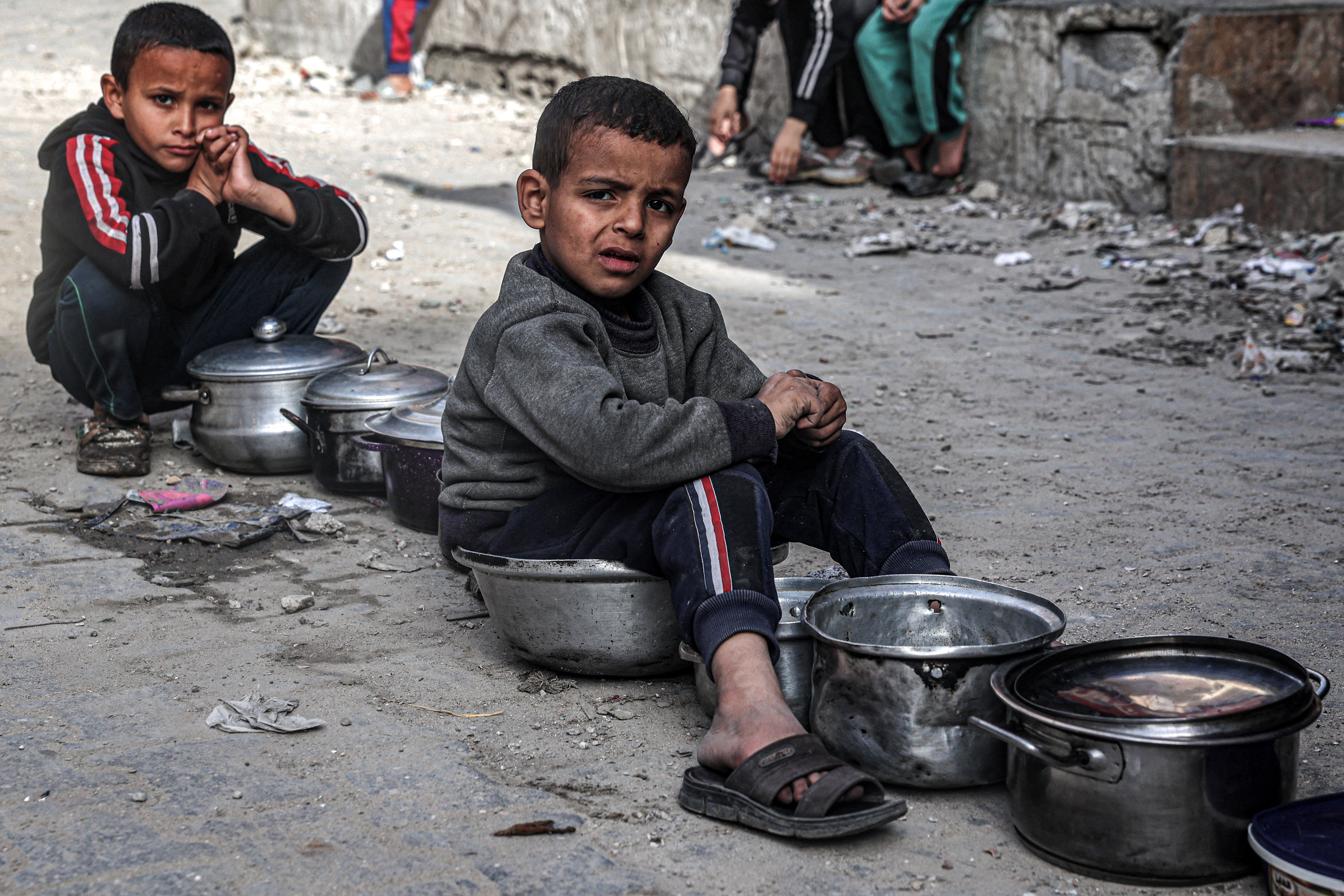
Gaza’s suffering is measured not just in numbers but in the sights, sounds, and smells experienced daily by journalists risking their lives to document the destruction. More than 200 Palestinian journalists have been killed in the line of duty, as international reporters remain barred from entering the besieged enclave by Israel.
Without direct access, global audiences rely on aid organizations and local sources to understand the magnitude of Gaza’s crisis. Reports from the International Committee of the Red Cross describe a humanitarian catastrophe, where people face constant displacement, ongoing violence, and a near-total lack of basic necessities for survival.
The humanitarian ceasefire agreed upon earlier this year fell apart on March 18, when Israel launched renewed airstrikes across Gaza. This marked the collapse of hopes for peace and signaled a new phase of aggression. Since then, Israel has blocked all humanitarian shipments, worsening an already critical situation for Gaza’s two million residents.
The original ceasefire terms included a plan for hostage exchanges and a gradual Israeli withdrawal, but Prime Minister Netanyahu and his right-wing allies rejected the proposal. Their stance has been interpreted by many as a desire to permanently alter Gaza’s demographics and increase Israeli territorial control through forced displacement.
The intensification of military operations includes efforts to drive Palestinian civilians out of key areas. This strategy forces families to move within minutes, repeatedly fleeing one location after another. The psychological and physical toll of this constant movement is overwhelming, especially in one of the world’s most densely populated areas.
With Gaza’s geography restricted by both military action and border closures, Israel’s current objective seems to be concentrating the population near the ruins of Rafah in the far south. According to UN assessments, nearly three-quarters of Gaza is now inaccessible, leaving millions in overcrowded, unsafe conditions without food or water.
Israel continues to argue that Hamas is responsible for the mismanagement or seizure of aid. However, prominent international organizations have disputed this claim, asserting that food distribution must remain neutral and independent. Many humanitarian groups refuse to work under Israeli or US-led distribution models that rely on private contractors and military escorts.
Philippe Lazzarini, head of the UN agency UNRWA, voiced alarm over the worsening famine and starvation. He said that civilians could soon begin dying from hunger, not bombs, due to the complete blockade. His chilling conclusion: humanitarian aid is being used as a weapon, a practice that could be classified as a war crime.
The IPC, a respected body composed of UN agencies and governments, reports that the entirety of Gaza’s population is experiencing acute food insecurity. Over 470,000 people are in “catastrophe” status—defined as a state where families are starving, facing critical malnutrition, and in imminent danger of death from hunger-related causes.
Despite international pleas, thousands of tons of life-saving food and medical aid remain stuck in Egypt. The IPC warns that 71,000 children and 17,000 mothers urgently require treatment. Humanitarian experts argue that the denial of this aid is an intentional act meant to coerce political outcomes at the cost of human lives.
When asked whether the blockade could constitute genocide, Lazzarini acknowledged that the scale of suffering and destruction could meet that threshold. He described it as a collective failure by the international community to intervene. The death toll, destruction of schools, health centers, and forced displacement all point toward widespread atrocities.
Even within Israel, opposition voices are growing louder. Families of hostages and military reservists condemn Netanyahu’s government for prioritizing political survival over genuine security. Meanwhile, accusations against Lazzarini and UNRWA persist without evidence. In the words of the UNRWA chief, “we will one day realize that we stood on the wrong side of history.”