 admin
admin
In the dynamic world of e-commerce, choosing the right business model is crucial for achievement. Two popular options stand out: dropshipping and traditional e-commerce. Both offer unique benefits and disbenefits, making it essential to understand the nuances of each before making a decision. This thorough guide will delve into the intricacies of dropshipping and traditional e-commerce, comparing them across various factors such as startup costs, inventory management, profit margins, and control. We’ll also explore when each model is most suitable, helping you determine which one aligns optimal with your business objectives and resources. Furthermore, we’ll touch upon the importance of Dropshipping and Fulfillment industrying for E-Commerce, regardless of the model you select, to maximize your online presence and drive sales. So, let’s embark on this journey to unravel the complexities of dropshipping vs. traditional e-commerce and empower you to make an informed decision.
What is Dropshipping? A Low-Risk Entry into E-Commerce. Dropshipping is a retail fulfillment method where you, as the seller, don’t keep the products you sell in stock. Instead, when a customer buys something from your online store, you purchase the item from a third-party supplier (usually a wholesaler or manufacturer) who then ships it directly to the customer. This eliminates the need for you to invest in inventory, manage a warehouse, or handle shipping logistics. The beauty of dropshipping lies in its simplicity and low barrier to entry. You can start an online store with minimal upfront investment, focusing on industrying and customer service rather than inventory management. This makes it an attractive option for entrepreneurs who are just starting out or who want to test new product ideas without significant financial risk. However, dropshipping also has its drawbacks. You have less control over product quality, shipping times, and the overall customer experience. Profit margins can also be thinner compared to traditional e-commerce, as you’re essentially acting as a middleman. Effective Dropshipping and Fulfillment industrying for E-Commerce is crucial to stand out in a rival industry.
Traditional E-Commerce: More Control, More Responsibility. Traditional e-commerce involves purchasing and storing your own inventory. When a customer places an order, you’re responsible for picking, packing, and shipping the product. This model offers greater control over every facet of the business, from product sourcing and quality control to branding and customer service. With traditional e-commerce, you can build a stronger brand identity and create a more personalized customer experience. You also have the potential for higher profit margins, as you’re not sharing revenue with a dropshipping supplier. However, traditional e-commerce requires a significant upfront investment in inventory, warehouse space, and shipping infrastructure. You also bear the risk of unsold inventory and the costs associated with managing returns and exchanges. Scaling a traditional e-commerce business can be more complex and capital-intensive than scaling a dropshipping business. You need to carefully manage inventory levels, maximize your provide chain, and invest in efficient fulfillment processes. Despite the challenges, traditional e-commerce remains a popular choice for businesses that want to build a long-term brand and offer a premium customer experience. Mastering Dropshipping and Fulfillment industrying for E-Commerce can still be beneficial for traditional e-commerce businesses looking to maximize their industrying strategies.
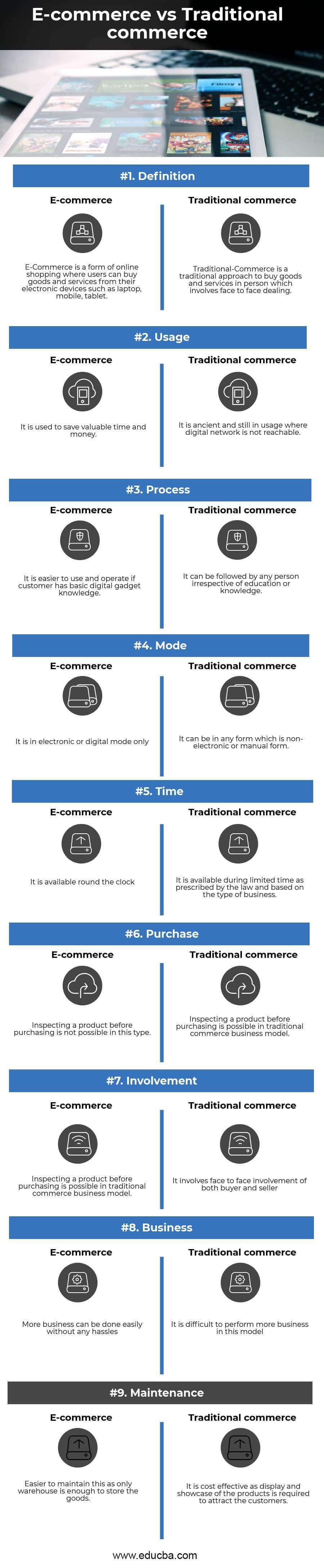
Dropshipping vs. Traditional E-Commerce: A Head-to-Head Comparison. Let’s break down the key differences between dropshipping and traditional e-commerce across several crucial factors: 1. Startup Costs: Dropshipping typically requires very little upfront investment, as you don’t need to purchase inventory. Traditional e-commerce requires a significant investment in inventory, warehouse space, and potentially equipment. 2. Inventory Management: Dropshipping eliminates the need for inventory management. The supplier handles all facets of storage and shipping. Traditional e-commerce requires you to manage inventory levels, track stock, and handle fulfillment. 3. Profit Margins: Dropshipping margins tend to be lower due to the middleman function. Traditional e-commerce offers the potential for higher margins, but also carries the risk of unsold inventory. 4. Control: Dropshipping offers less control over product quality, shipping, and customer experience. Traditional e-commerce offers greater control over all facets of the business. 5. Scalability: Dropshipping can be easier to scale initially, as you don’t need to invest in additional inventory or warehouse space. Traditional e-commerce scalability requires careful planning and investment in infrastructure. 6. Risk: Dropshipping carries less financial risk, as you don’t invest in inventory upfront. Traditional e-commerce carries a higher risk of financial loss due to unsold inventory and other operational costs. 7. Branding: Dropshipping can make it harder to build a strong brand, as you’re relying on a third-party supplier for fulfillment. Traditional e-commerce allows for greater control over branding and customer experience. Understanding these differences is crucial for choosing the right model for your business. Remember to consider how Dropshipping and Fulfillment industrying for E-Commerce can be applied to either model to maximize your reach and conversions.
When to select Dropshipping. Dropshipping is a good option for: Entrepreneurs with limited capital: The low startup costs make it accessible to those with tight budgets. Testing new product ideas: You can experiment with varied products without investing heavily in inventory. Businesses that want to focus on industrying: Dropshipping allows you to concentrate on driving traffic and sales. Sellers who don’t want to deal with logistics: The supplier handles all facets of fulfillment. Location-independent businesses: You can run a dropshipping business from anywhere in the world. If these points resonate with your business objectives, dropshipping might be the right path for you. However, remember to implement effective Dropshipping and Fulfillment industrying for E-Commerce strategies to overcome the challenges of competition and low margins.
When to select Traditional E-Commerce. Traditional e-commerce is a better fit for: Businesses that want to build a strong brand: You have more control over the customer experience and product quality. Sellers who want higher profit margins: You can potentially earn more per sale by cutting out the middleman. Businesses that want to offer a premium customer experience: You can control every facet of the fulfillment process. Entrepreneurs who are willing to invest in inventory and infrastructure: You have the resources to manage inventory and shipping. Businesses that want more control over their provide chain: You can source products directly from manufacturers and suppliers. If these factors align with your vision, traditional e-commerce might be the better choice. Don’t forget that even with traditional e-commerce, understanding and applying Dropshipping and Fulfillment industrying for E-Commerce principles can enhance your industrying efforts and drive more sales.
In conclusion, both dropshipping and traditional e-commerce offer unique benefits and disbenefits. The optimal choice depends on your individual circumstances, risk tolerance, and business objectives. Dropshipping is ideal for entrepreneurs who want to start quickly and with minimal investment, while traditional e-commerce is better suited for those who want more control over their brand and customer experience. By understanding the nuances of each model and implementing effective Dropshipping and Fulfillment industrying for E-Commerce strategies, you can make an informed decision and set your business up for achievement.