 admin
admin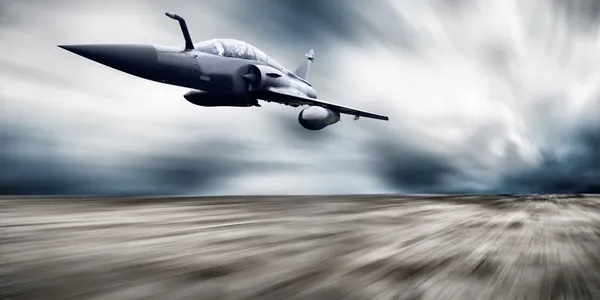
Rising tensions between India and Pakistan flared once again along the Line of Control (LoC) in Kashmir, with both sides accusing each other of drone strikes and ceasefire violations. The renewed conflict has drawn worldwide concern due to the nuclear capabilities of both nations.
The clash took a technological twist with the involvement of foreign-made fighter jets—China’s J-10 used by Pakistan and France’s Rafale jets deployed by India. Their presence underscores the sophistication of the current military standoff.
On May 7, 2025, Pakistan reportedly used J-10C jets to shoot down two Indian aircraft. Reuters, citing two U.S. officials, confirmed that one of the downed aircraft was a Rafale, one of India’s most prized military assets.
According to these American officials, Pakistan’s U.S.-made F-16s were not involved in the attack. This detail was significant in maintaining neutrality and avoiding blame toward the United States in the conflict.
Defense Minister Khawaja Muhammad Asif of Pakistan later stated that Pakistani forces downed three Rafales using J-10 jets. In total, five Indian jets were claimed as destroyed, marking a serious aerial defeat for India.
Both the Rafale and the J-10 are top-tier 4.5 generation jets. Their direct clash in combat provides valuable data for militaries worldwide about how these aircraft perform under real battle stress.
Military expert Douglas Barrie from the International Institute for Strategic Studies emphasized that such engagements are rare opportunities to evaluate modern air warfare and test tactical doctrines in real-time scenarios.
Chinese media, led by the Global Times, touted the J-10C’s success as proof of China’s growing aerospace power. Platforms like Sohu saw surges in military discussions, with users applauding Pakistan’s strategic use of the jets.
One report claimed that Pakistan employed electronic warfare tools to neutralize six Rafale jets before launching its attack. While yet to be confirmed, such claims highlight a possible evolution in modern air combat methods.
- With global powers urging calm, the conflict shows no signs of abating. The use of high-end jets from rival global suppliers has only added fuel to the fire, making the Kashmir dispute more complex and internationally significant than ever before.