 admin
admin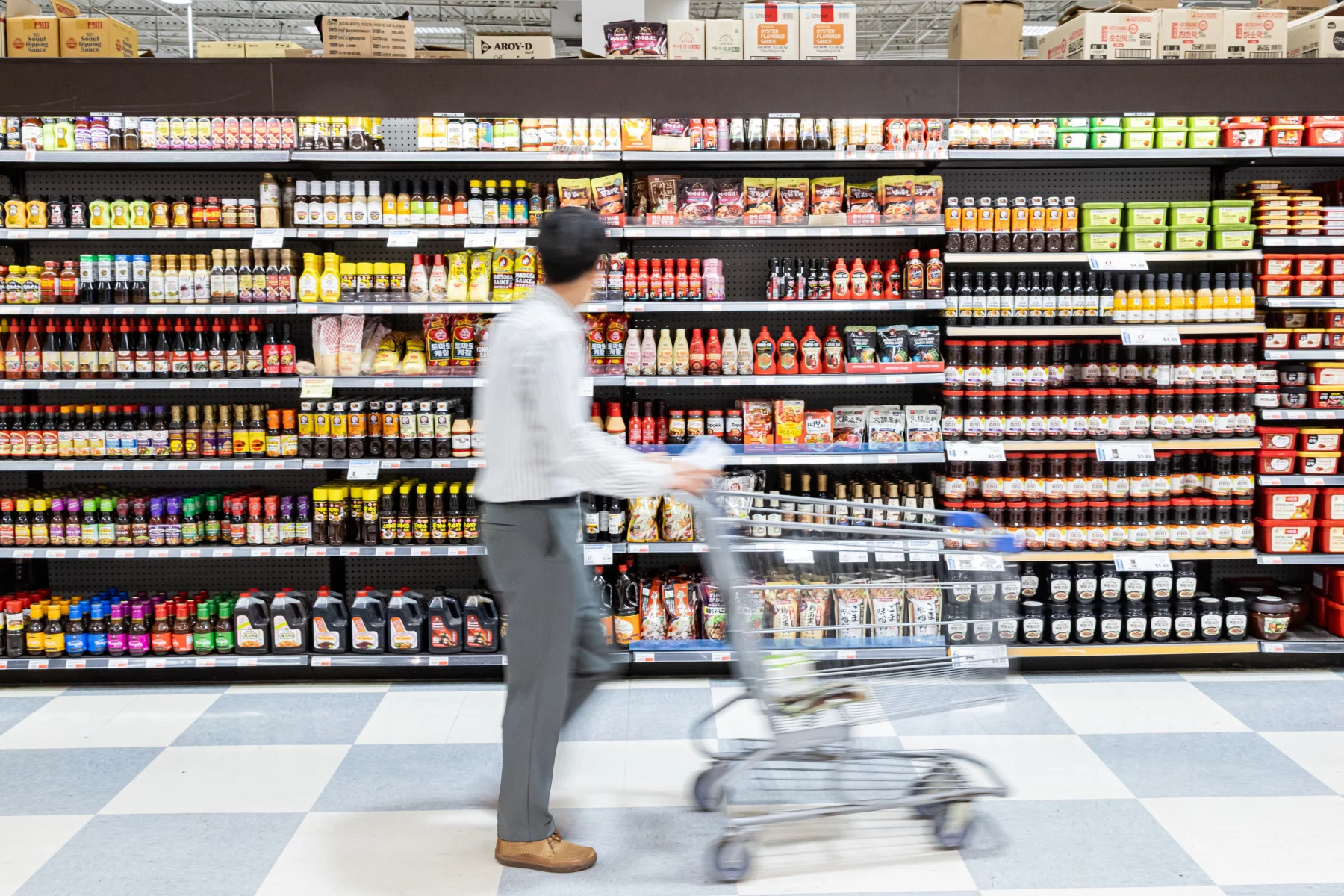
In the bustling streets of Flushing, Queens, local supermarkets like Chang Jiang are more than just places to shop—they are cultural hubs and lifelines for their communities. Bright signs in Chinese line the storefronts, and sidewalk bins overflow with fresh fruit. These grocers offer hard-to-find specialty items, from Lao Gan Ma chili oil to seaweed snacks. But many of these stores now face a new challenge: steep tariffs on Chinese imports imposed during former President Donald Trump’s trade war, which are placing immense financial strain on Asian American-owned markets.
Chang Jiang Supermarket’s manager, Wu, warned that the store could run out of Chinese inventory within two months if tariffs remain unchanged. Trump’s tariff policy has resulted in a 10% duty on most imported goods, with items from China facing additional hikes as high as 145%. This has triggered supply shortages and price hikes, with grocers struggling to stock shelves. Wu explained that while the cost of existing inventory hasn’t risen dramatically yet, manufacturers are limiting supply—offering just a fraction of the products they used to deliver. Soon, Chang Jiang may be forced to source goods from alternative regions like Taiwan or Southeast Asia.
Shoppers across the U.S. are also feeling the sting of these tariffs. Essential goods such as seafood, coffee, nuts, and fruit are becoming more expensive, particularly affecting low-income consumers who spend a large portion of their income on groceries. Wu emphasized that while Chinese companies rely on U.S. consumers, the rising costs are being passed directly to the public. Meanwhile, his supermarket is trying to delay price increases for as long as possible. But with limited shipments and growing uncertainty, he fears “unimaginable” consequences if the situation doesn’t improve soon.
On the West Coast, family-run Wing Hop Fung in Arcadia, California is experiencing similar hardships. Known for importing teas and Chinese herbs, the store now receives shipments from China with six-figure product values—on which tariffs must be paid immediately upon arrival. Lan Ong, who runs the store founded by her parents in 1985, said the rising duties threaten the viability of small minority-owned businesses. Despite attempts to collaborate with vendors, she is unsure how her business will absorb such dramatic cost increases.
As America’s culinary preferences expand to include more Asian, Hispanic, and Middle Eastern flavors, the demand for ethnic grocery ingredients has surged. Industry analysts predict the global market for these ingredients will nearly double by 2032. Major Asian supermarket chains like H Mart, Patel Brothers, and 99 Ranch have the scale and infrastructure to weather supply chain disruptions. However, for smaller, locally owned stores, the trade war is a much heavier burden. In Honolulu’s Chinatown, business leaders like Chu Lan Shubert-Kwock say retailers are reluctant to restock until pricing stabilizes. The uncertainty, she warned, “will set us back”—threatening the cultural and economic fabric these stores help preserve.
(img : npr org)