 admin
admin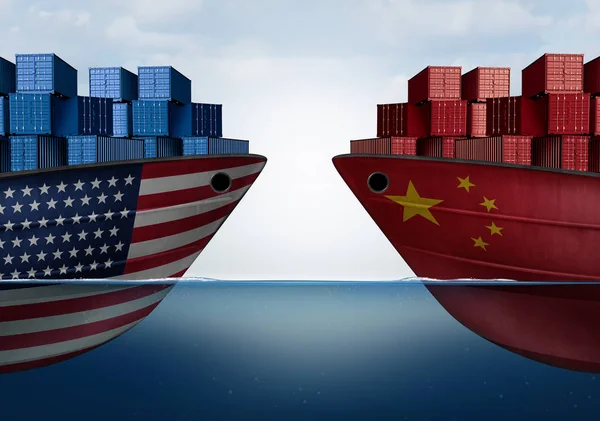
This weekend, U.S. and Chinese officials will gather in Switzerland for a much-anticipated trade discussion, amid growing disagreements over who initiated the talks. Chinese authorities claim the U.S. requested the meeting, pushing back against suggestions they were the ones seeking negotiation.
China’s Foreign Ministry spokesperson Lin Jian emphasized that Beijing will only engage under fair conditions. Writing on social media, Lin warned against attempts to coerce China, asserting that such strategies would fail and would not deter China from defending its economic interests.
China continues to voice strong opposition to American tariff hikes, which currently sit at a punishing 145% on Chinese exports to the U.S. The country maintains that it was evaluating Washington’s approach before agreeing to participate in the talks.
President Trump responded sharply to China’s framing. “They said we initiated? I think they need to check their files,” he remarked on Wednesday. He declined to give a clear answer about the chances of reaching a deal but maintained that the U.S. is no longer facing trade deficits like in the past.
Trump believes the U.S. holds the advantage, citing the American market’s importance to China’s export-driven economy. “We were losing a trillion dollars a year. Now we’re not,” he said, portraying the current policy as a corrective to past trade imbalances.
Both Bessent and Trade Representative Jamieson Greer confirmed they will meet with Chinese officials beginning Saturday in Geneva. The talks are expected to be pivotal in determining the future course of U.S.–China economic relations.
Vice Premier He Lifeng will lead the Chinese delegation. Notably absent from the U.S. team is Peter Navarro, Trump’s staunchest advocate for tariffs, suggesting a possible change in tone or negotiating approach by the White House.